
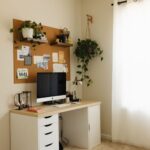
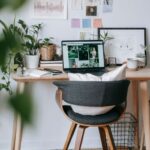
Setting up a relaxing home workspace is essential for maintaining focus, reducing stress, and enhancing your overall work-from-home experience. Whether you’re working full-time from home or occasionally need a quiet spot for projects, a well-designed workspace can make a big difference. Here are practical tips to help you create a calming and productive environment.
Choose the Right Location
Find a Quiet Spot
Start by selecting a space with minimal distractions. A quiet corner away from household noise allows you to concentrate better. If space is limited, use room dividers or curtains to separate your workspace.
Maximize Natural Light
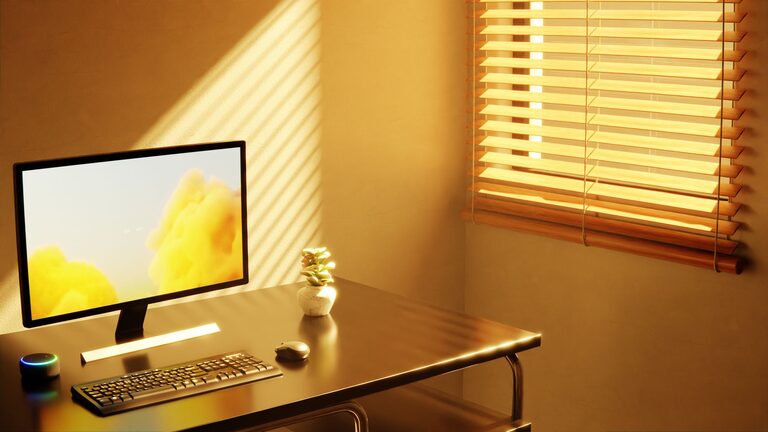
Whenever possible, position your desk near a window. Natural light improves mood and reduces eye strain. If natural light is scarce, opt for soft, adjustable lighting that mimics daylight.
Prioritize Comfort
Invest in an Ergonomic Chair
Comfortable seating supports good posture and prevents discomfort during long work hours. Look for adjustable chairs with lumbar support.
Use a Desk at the Right Height
Your desk should allow your forearms to rest parallel to the floor when typing. If your desk is too high or low, consider a keyboard tray or adjustable desk to suit your needs.
Include Soft Touches
Add cushions, a footrest, or a cozy throw to make your space inviting. Comfortable textures can help you feel relaxed and focused.
Declutter and Organize
Keep Essentials Handy
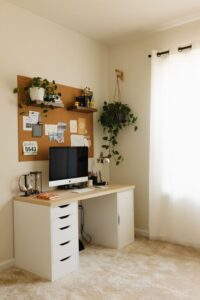
Limit your desk items to what you regularly use, like your computer, notebook, and pens. Less clutter helps clear your mind and reduce distractions.
Use Storage Solutions
Incorporate shelves, drawers, or storage bins to keep supplies organized and out of sight. Label containers for easy access.
Establish a Cable Management System
Tidy cables with clips, sleeves, or boxes to prevent tangling and keep your workspace looking neat.
Incorporate Soothing Colors and Decor
Choose Calming Colors
Soft blues, greens, and neutrals create a tranquil atmosphere. Avoid overly bright or harsh colors that may cause visual fatigue.
Add Personal Touches
Include a few decorative items that make you happy, like plants, artwork, or photos. These can boost your mood without causing clutter.
Bring in Nature
Houseplants are proven to reduce stress and improve air quality. Select low-maintenance plants like succulents or pothos that thrive indoors.
Optimize Lighting for Relaxation
Layer Your Lighting
Use a combination of ambient, task, and accent lighting to create a balanced environment. A desk lamp with adjustable brightness helps focus on work without straining your eyes.
Minimize Glare
Position your monitor to avoid reflections from windows or lamps. Use anti-glare screen protectors if needed.
Incorporate Relaxation Breaks
Set a Timer for Breaks
Regular breaks improve productivity and reduce fatigue. Use reminders to stretch, meditate, or take a quick walk.
Create a Mini Relaxation Station
If space allows, keep a small corner nearby with items like a meditation cushion, stress ball, or calming scents such as lavender.
Maintain Technology Efficiency
Choose Reliable Equipment
A fast computer, responsive mouse, and quality headset reduce frustration and improve workflow.
Keep Your Workspace Cool and Ventilated
Proper airflow keeps you comfortable and alert. Use fans or open windows to maintain fresh air.
Use Headphones to Block Noise
If noise is unavoidable, headphones or earplugs help create a quiet and focused environment.
Keep Your Workspace Separate from Personal Life
Define Work Hours
Set boundaries to avoid mixing work and leisure time. Closing your workspace at the end of the day helps mentally separate your activities.
Avoid Eating at Your Desk
Taking meals away from your workspace reinforces that your area is for work and relaxation, not distractions.
—
Creating a relaxing home workspace takes a bit of planning but offers tremendous rewards in productivity and well-being. By choosing the right location, focusing on comfort, organizing efficiently, and adding calming elements, you can transform your home office into a place where work feels less like a chore and more enjoyable. Start small and adjust your setup as you discover what helps you stay calm, energized, and productive throughout the day.